
The glow of screens in suburban pubs, the clatter of coins in dedicated gaming rooms, and the quiet hum of machines in clubs from Wollongong to Perth – this is the heartbeat of Australian gambling. But a new player has entered the conversation, one that promises a different kind of experience: no limit city. It’s a concept that’s stirring debate among punters, regulators, and industry insiders alike. For the average Aussie, it raises a simple question: is more freedom at the pokies a good thing, or are we stepping into a minefield with out a map?
Australia has long held a complicated relationship with gambling. We’re a nation that loves a punt – whether it’s the Melbourne Cup, a Friday night footy bet, or a session on the machines. Yet, the landscape is shifting. With the recent federal crackdowns on credit card use for online betting and increased scrutiny on advertising, the industry is at a crossroads. The idea of a “no limit” environment, where players can set their own pace without the traditional caps or mandatory breaks, feels both liberating and alarming. It’s a bit like letting a thirsty bloke loose in a pub with a tap that never runs dry.
Internationally, the conversation is just as heated. In the UK, the Gambling Act review has pushed for stricter stake limits on fixed-odds betting terminals, while Europe’s regulatory patchwork ranges from Sweden’s mandatory deposit limits to Germany’s strict session caps. Meanwhile, in the United States, states like New Jersey and Pennsylvania are experimenting with high-limit rooms that blur the line between casino and private club. Australia, with its unique mix of land-based venues and a booming online sector, sits somewhere in the middle – facing pressure to modernise without losing the character that makes our gambling culture distinct.
This article isn’t about telling you what to do with your money. It’s about unpacking what “no limit city” really means for the average punter, the venues that host them, and the regulators trying to keep things fair. We’ll look at the local realities – from the pokies in your local RSL to the offshore operators vying for your attention – and compare them with how other countries handle high-stakes play. Because when it comes to gambling, the devil’s always in the details.
The Realities of Pokies in Australian Pubs and Clubs
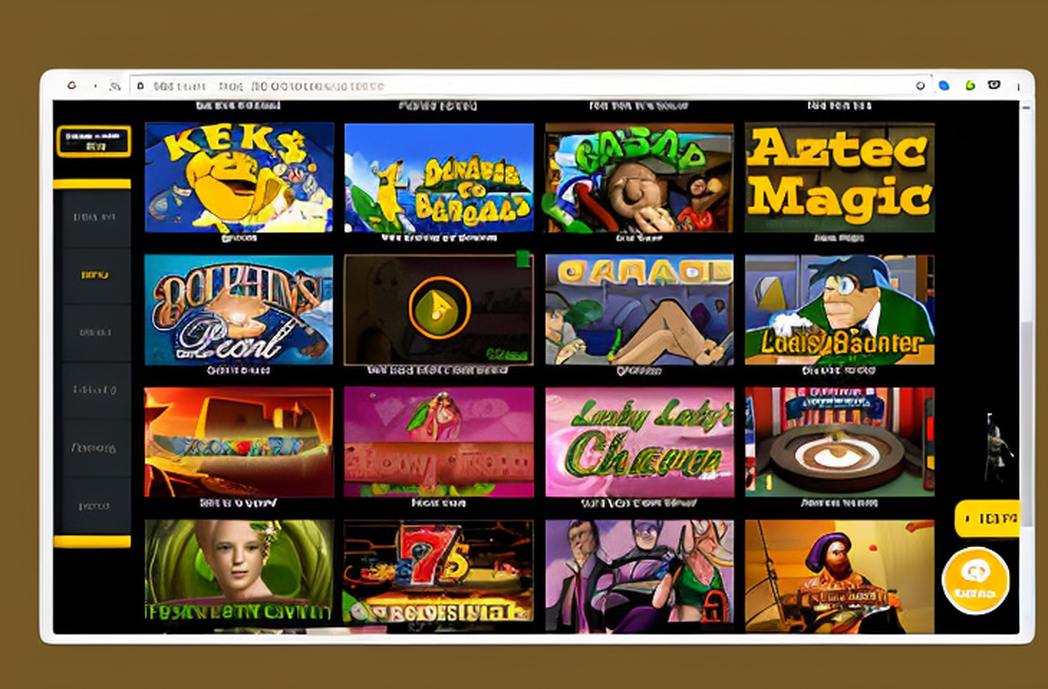
Walk into any RSL club in Parramatta or a pub in Footscray, and you’ll find them: rows of pokies humming away, often in a dedicated room with tinted windows and a sign reminding you of the odds. Australia has over 190,000 pokies in pubs and clubs – more per capita than almost any other country. For many, they’re a harmless bit of fun, a way to pass an hour with a schooner. But the “no limit” idea challenges the very structure of how these machines operate.
Under current laws in most states, pokies have mandatory features like loss limits, pre-commitment schemes, and automatic shutdowns after a certain period. In New South Wales, for example, the YourPlay card system lets players set daily, weekly, or monthly limits. In Victoria, the mandatory pre-commitment system requires players to set a time and money limit before they start. These measures were designed to curb problem gambling – a serious issue that affects an estimated 1% of the adult population, according to the Australian Institute of Health and Welfare.
But a “no limit city” environment flips that script. Imagine sitting down at a machine with no warning after an hour, no cap on your losses, and no reminder that you’ve been playing for three hours straight. For the casual punter, it might feel like freedom. For someone struggling with control, it’s a fast track to trouble. The key difference between Australia and, say, the UK is that our pokies are physically embedded in community spaces – not just in dedicated casinos. That makes the social impact harder to ignore.
How International Markets Handle High-Stakes Play
Across the ditch in New Zealand, the approach is more relaxed but still cautious. Kiwi casinos and pubs operate under a similar model to ours, but with a stronger emphasis on harm minimisation through mandatory player tracking. In Europe, the picture is fragmented. Sweden’s Spelinspektionen requires all online operators to enforce deposit limits and session time-outs, while Germany’s State Treaty on Gambling caps stakes at €1 per spin for online slots. Compare that to the United States, where states like Nevada allow high-limit rooms with no such restrictions – but only in licensed casinos, not in local pubs.
The UK’s recent changes are perhaps the most relevant. After the 2023 Gambling Act white paper, the government introduced maximum stakes of £2 per spin for under-25s on fixed-odds betting terminals, with a £5 limit for older players. This was a direct response to concerns about “no limit” machines in betting shops, which had become a lightning rod for criticism. The British model shows that even in a mature market, the pendulum swings back towards caution when the social costs become too high.
For Australia, the lesson is clear: “no limit” doesn’t exist in a vacuum. Every jurisdiction that has loosened restrictions has eventually had to tighten them again. The question isn’t whether we should have no limit city-style options, but how we integrate them into a system that already struggles with harm reduction. Isla Campbell, Marketing Director at Oceanic Gaming Strategy, puts it bluntly: “The global trend is moving toward player empowerment, not unrestricted access. The markets that succeed are the ones that balance choice with guardrails.”
The Rise of Online Platforms and the Offshore Factor
The digital shift has changed everything. While land-based pokies remain the backbone of Australian gambling, online platforms are growing fast – especially those based offshore. These sites often operate outside Australian jurisdiction, meaning they’re not bound by our pre-commitment rules, loss limits, or even basic consumer protections. For a punter in Brisbane or Adelaide, logging into an offshore casino can feel like stepping into a no limit city where the only rule is how much you’re willing to risk.
This is where the comparison gets messy. In Europe, online gambling is tightly regulated within national borders. The UK Gambling Commission, for instance, requires all operators to have a local licence and adhere to strict responsible gambling protocols. In Australia, the Interactive Gambling Act 2001 bans offshore operators from offering services to Aussies, but enforcement is patchy at best. Thousands of sites still accept Australian players, often with no oversight at all. It’s a grey market that leaves punters vulnerable.
One local operator that has managed to stand out in this crowded field is Joe Fortune. Known for its strong focus on pokies and a user-friendly interface, Joe Fortune has become a go-to for many Aussies who want a reliable online experience. In a market where trust is hard to come by, platforms like this offer a middle ground – regulated, responsive, and built with the local punter in mind. They’re a reminder that “no limit” doesn’t have to mean “no rules.”
Responsible Gambling in a No-Limit World
Let’s be honest: the term “no limit” sounds exciting. It evokes the thrill of a big win, the rush of a hot streak, the feeling that anything can happen. But the reality is that gambling without limits is a recipe for disaster for a significant minority of players. In Australia, the Productivity Commission estimates that problem gamblers account for about 40% of total pokie losses. That’s a staggering figure, and it’s why any discussion of no limit city must come with a serious look at harm minimisation.
The best international examples show that responsible gambling isn’t about banning fun – it’s about giving players the tools to make informed choices. In the UK, operators are required to offer reality checks, deposit limits, and self-exclusion schemes. In Sweden, players must set a deposit limit before they can even start playing. In Australia, we have similar systems for land-based venues, but they’re often optional or poorly enforced. The challenge for a no limit city model is to embed these protections without killing the buzz.
Isla Campbell of Oceanic Gaming Strategy adds: “The key is transparency. If a player knows exactly what they’re getting into – the odds, the time played, the money spent – they can make their own call. The worst thing you can do is hide the information and call it freedom.” That’s a fair point. A no limit environment doesn’t have to be a lawless one. It just needs to be honest.
The Future of Australian Gambling: Lessons from Abroad
So where does this leave us? Australia is at a tipping point. The federal government is considering further restrictions on gambling advertising, and states are trialling new harm reduction measures. At the same time, the demand for high-stakes, no-limits play isn’t going away – it’s just moving online. The challenge is to create a system that works for everyone: the casual punter, the high roller, and the vulnerable player.
One promising avenue is the use of technology to enforce limits across all platforms, including offshore sites. The UK’s Gambling Commission has pushed for a single customer view, where operators share data to prevent players from exceeding limits across multiple sites. In Australia, the Australian Communications and Media Authority (ACMA) has ferba.com.br started blocking illegal offshore sites, but it’s a game of whack-a-mole. A more coordinated approach, perhaps modelled on the European model, could make a real difference.
For those who want to explore the pokies experience without diving into the deep end, there are plenty of options. Platforms like casino big bass bonanza offer a taste of the action with built-in safeguards, while organisations like Arena provide resources for players who want to stay informed. The key is to treat gambling as entertainment, not a lifeline.
Navigating the No Limit City Landscape
At the end of the day, “no limit city” is more than a catchy phrase – it’s a reflection of where the industry is heading. Whether it’s the high-roller rooms of Las Vegas, the online casinos of Malta, or the pokies in your local club, the desire for unrestricted play is universal. But the Australian context adds a layer of complexity. We’re a country that loves a bet, but we’re also a country that looks out for each other. The challenge is to find a balance that keeps the fun without the fallout.
For the average punter, the advice is simple: know your limits, even if the machine doesn’t enforce them. Set a budget, stick to it, and walk away when you’re ahead. The industry is changing fast, but the fundamentals remain the same. Whether you’re spinning the reels at Joe Fortune or trying your luck at a venue down the road, the best bet is always the one you can afford to lose.
As the debate over regulation continues, one thing is certain: the no limit city concept isn’t going away. It’s up to us – players, operators, and regulators – to make sure it’s a place worth visiting, not a trap to avoid.
